Protocol
Protocol Is Not Formality
Order of precedence, seating and hosting are not decoration. They are how an organisation shows it understands who it is dealing with.
By Sultan Hakeem ·
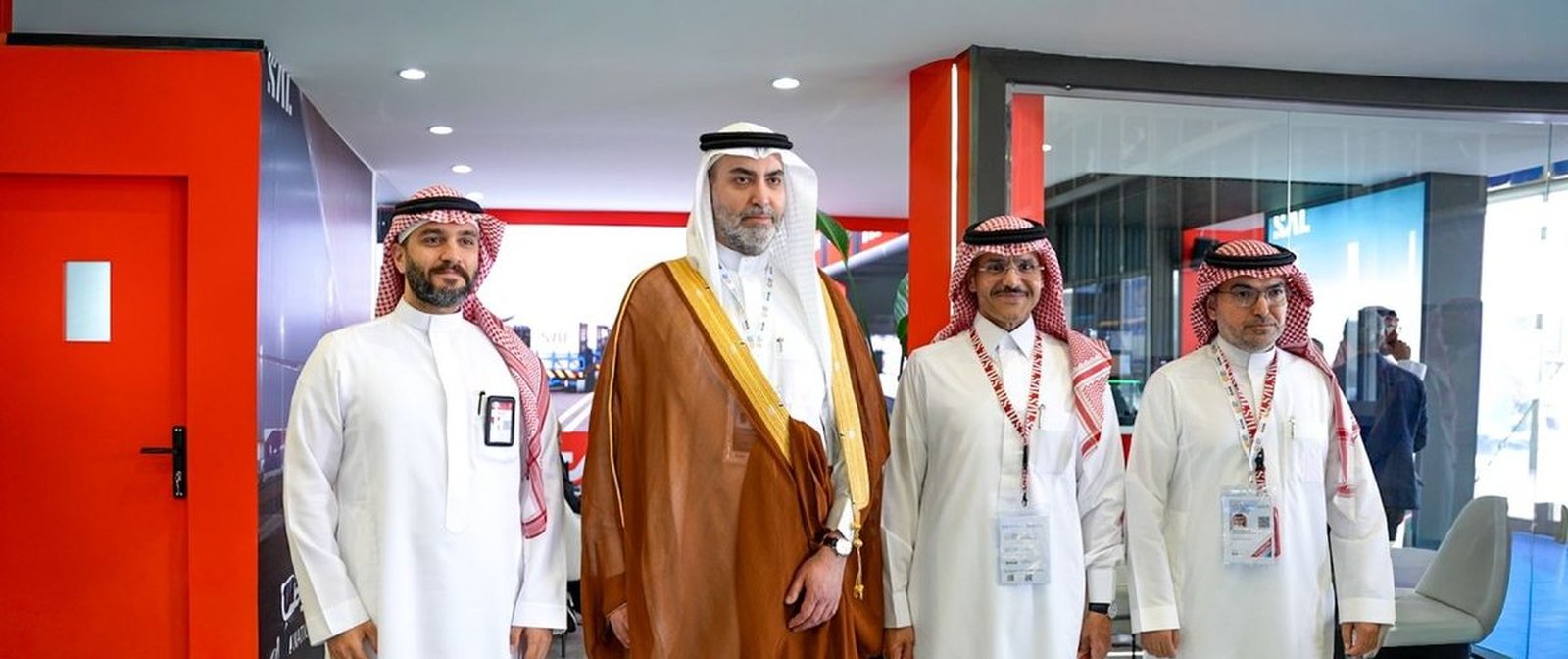
Protocol has an image problem. It sounds like table plans and ceremony, the part of an event that could be trimmed if the budget tightened. In my experience it is the opposite. It is the part that cannot be trimmed, because it is the only part your most senior guest will actually notice.
Here is the test I use. When protocol is done well, nobody comments. The guest arrives, is received by someone of appropriate seniority, is taken where they expected to go, sits where they expected to sit, and leaves without having thought about any of it. That silence is the whole objective.
Getting it wrong is loud
Seat a minister below someone junior to him and the room notices before he does. Send a manager to receive a guest who was expecting a director and you have made a statement about how much the relationship matters, whether or not you meant to. Photograph a handover from the wrong side and the picture that circulates shows your chief executive receiving rather than being received.
None of these are catastrophes. All of them are remembered. And they are remembered as carelessness, which is the impression an organisation can least afford in front of a regulator or a ministry.
It is preparation, not performance
Almost nothing goes wrong on the day that was not already wrong three weeks earlier. Order of precedence is decided by rank and protocol convention, not by who booked first. The receiving line is agreed before the invitations go out. The photographer knows in advance which side the document is signed from and where the flags sit.
Every official engagement I run carries a protocol brief. Run of show to the minute, attendees with titles spelled correctly, seating diagram, speaking order, escort assignments, and confirmed permissions for access and photography. It is a dull document. It is also the difference between an event and an incident.
It is about the guest, not the standard
Here is the part people get wrong. Protocol is an art form of mutual respect, and understanding your guest matters more than meeting a standard you set for yourself. A perfectly dressed table means nothing if you have not understood who is sitting at it.
I have seen enormous effort go into the wrong things. Immaculate table settings for a guest who wanted to be in and out in forty minutes. A formal receiving line for someone who would have preferred to walk the floor. The effort was real. It was simply aimed at our own idea of correctness rather than at the person in front of us.
Culture is part of it
Protocol is not one universal standard. What reads as respect in Riyadh does not always read the same way in Brussels or Shanghai. Hospitality, timing, gifting, the handling of seniority, all of it shifts. An organisation working internationally needs a framework that holds its own standard while accommodating the local one, and someone whose job it is to know the difference.
Why it belongs at the table
The reason protocol deserves a seat in planning rather than a line in the budget is that it is the only discipline whose entire purpose is managing how the organisation is perceived by the people who matter most to it. Not the market. Not the audience. The individual standing in front of your chief executive.
Respect made visible. That is all it is, and it is not a small thing.
Sultan Hakeem is Director of Events and Protocol at SAL Saudi Logistics Services in Riyadh. Get in touch.